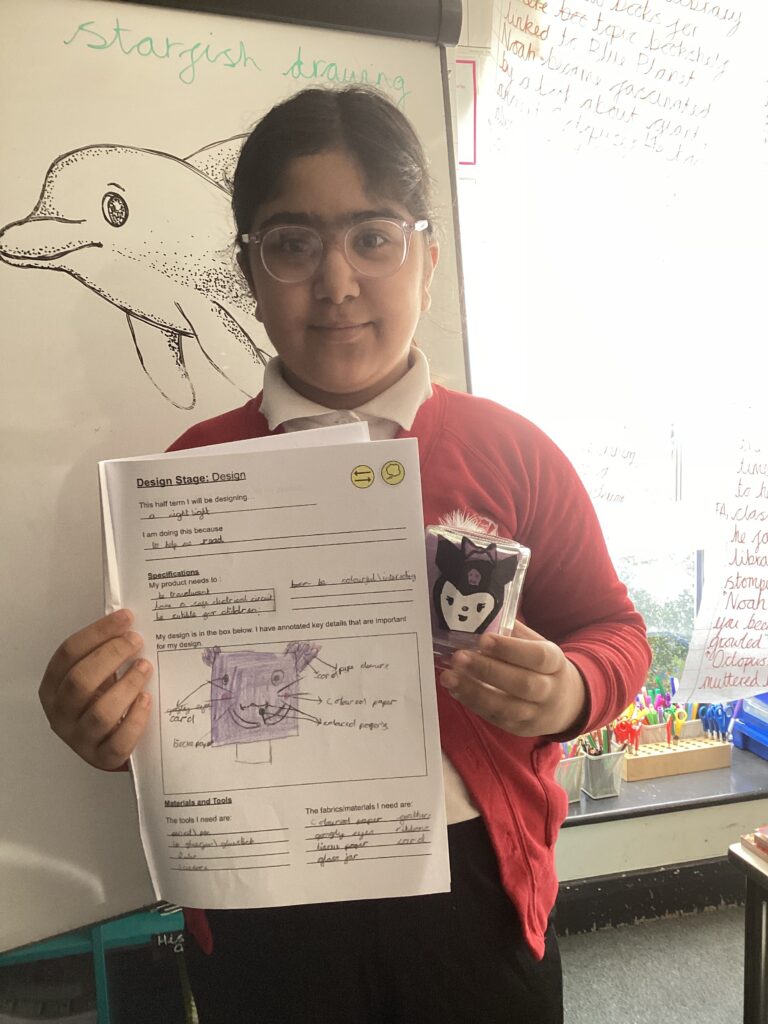
Night lights in Year 4

Year 4 designed and made night lights. They demonstrated planning and design abilities by creating ideas, drawing labelled sketches, and thinking carefully about how their product would look and function. They also evidenced practical making skills by using tools safely, measuring materials accurately, and assembling different parts with more confidence. During the project, they learned how to create a simple electrical circuit using a battery and a bulb, helping them understand how their nightlight would work. They demonstrated problem-solving skills by overcoming challenges, such as fixing parts that did not fit or troubleshooting when the light did not turn on. Finally, they reflected on their work by evaluating what went well and identifying areas for improvement. The children were very excited to try their night lights at home.
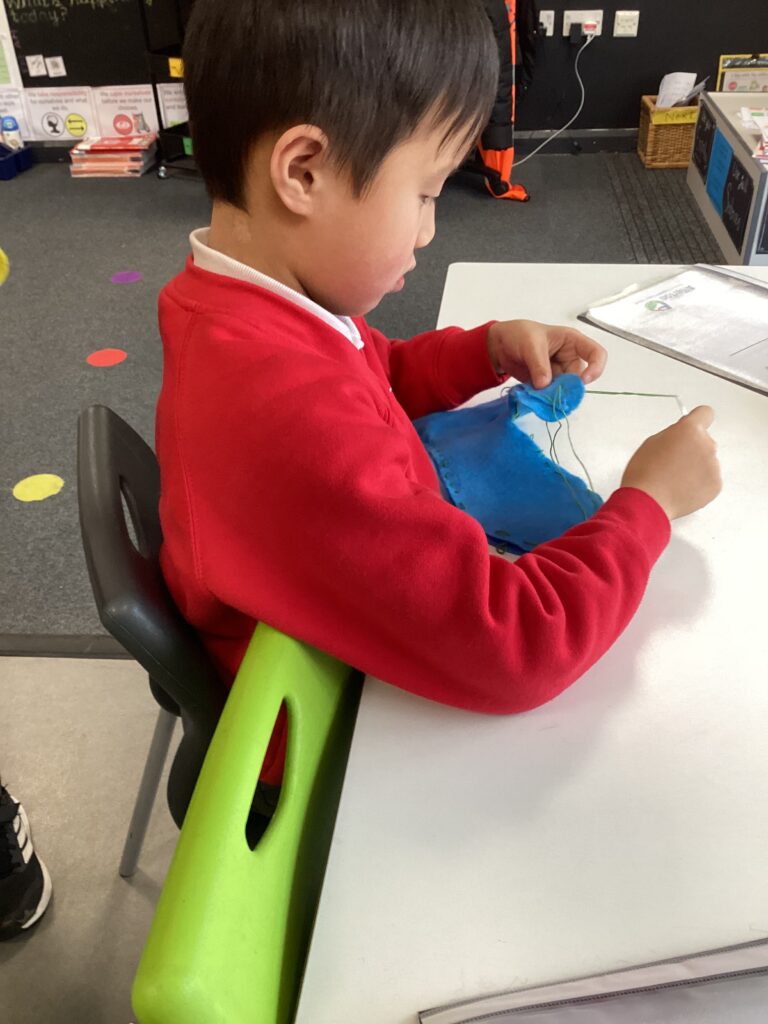
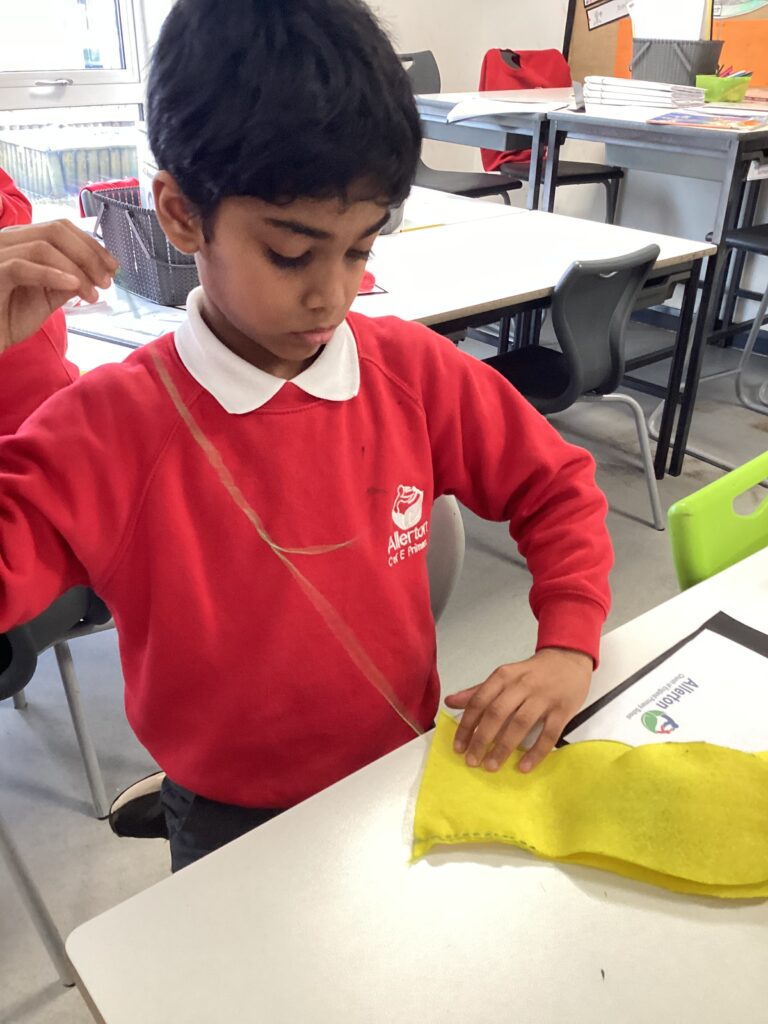
Making mittens in Year 3

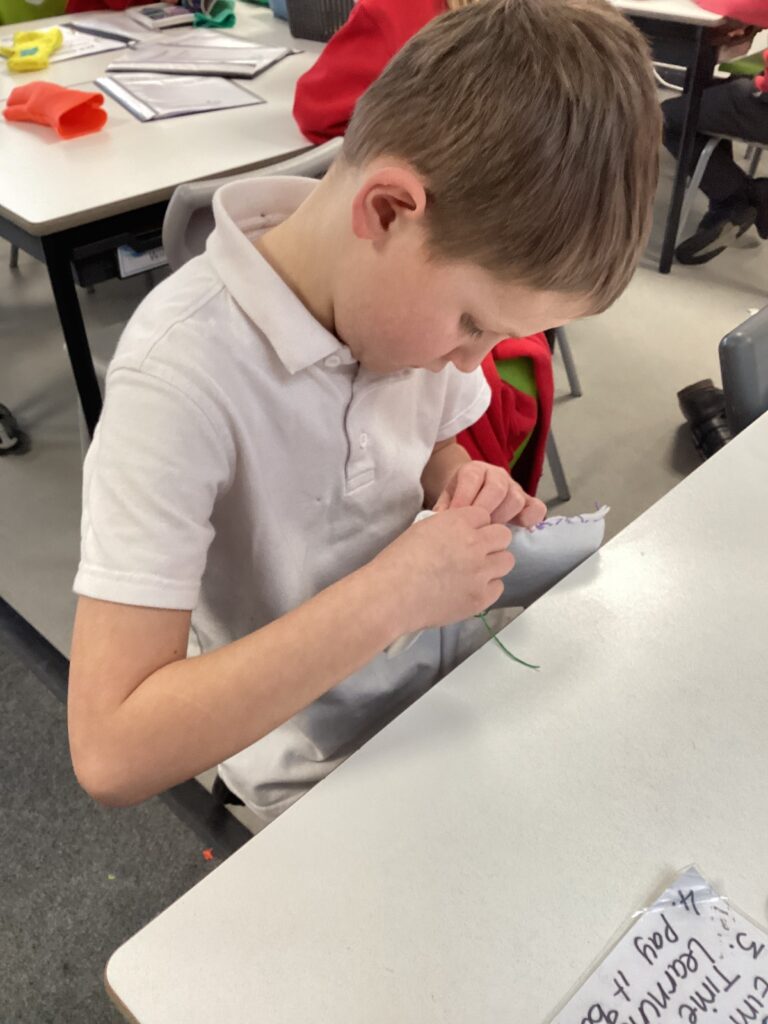
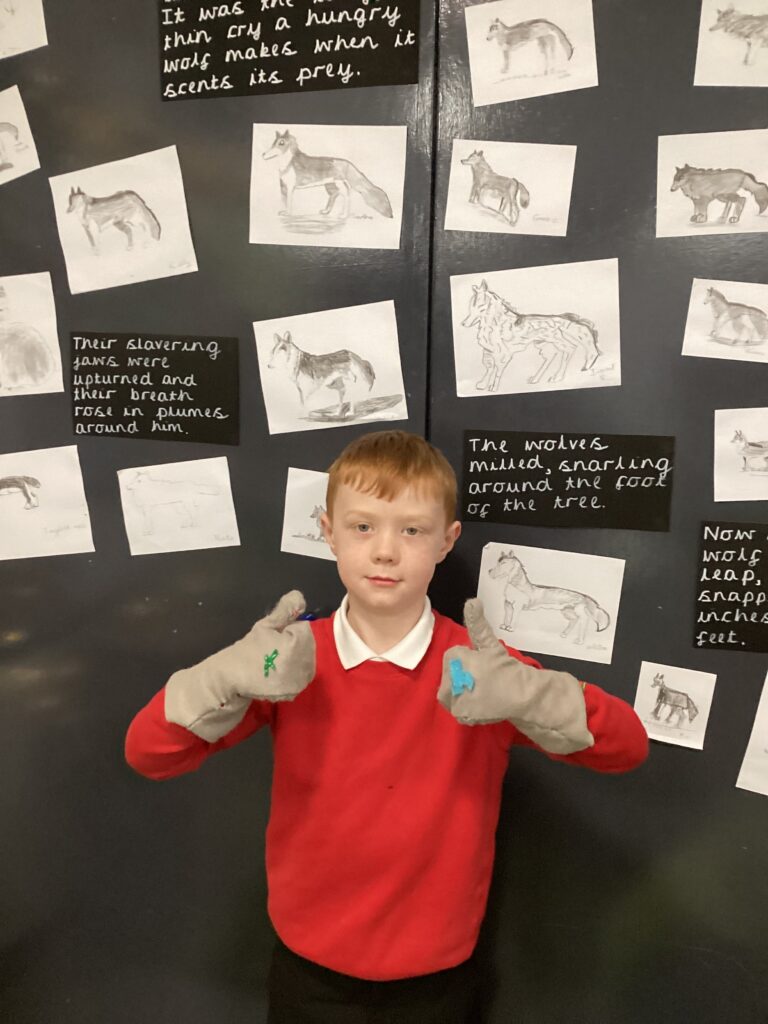
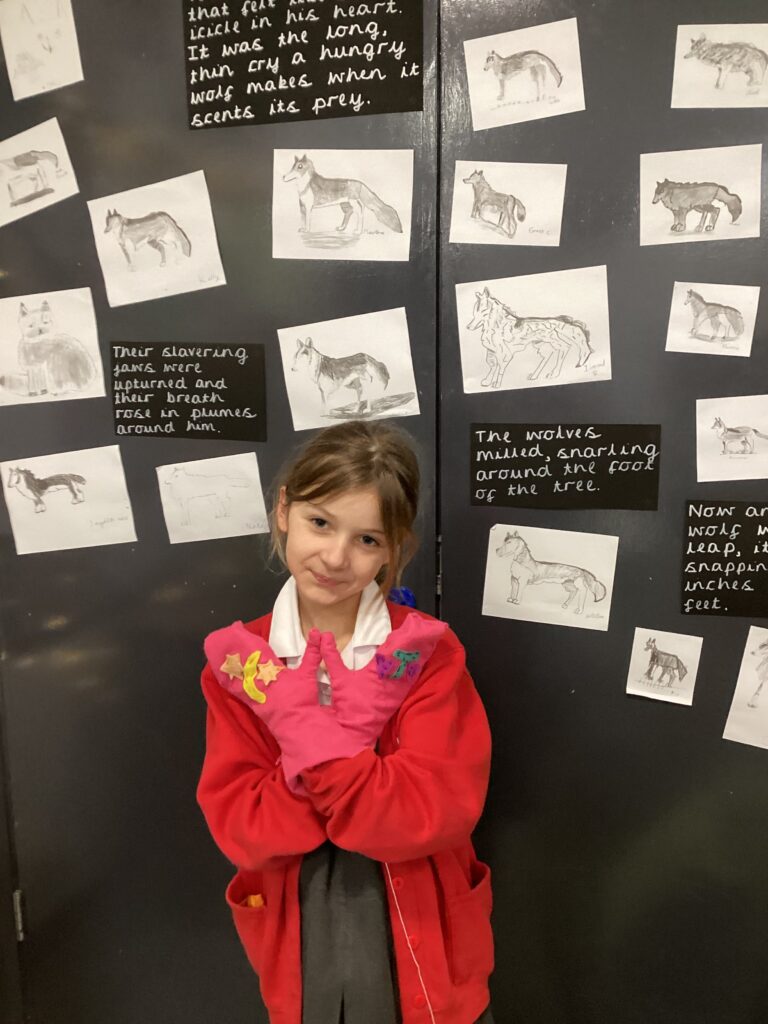
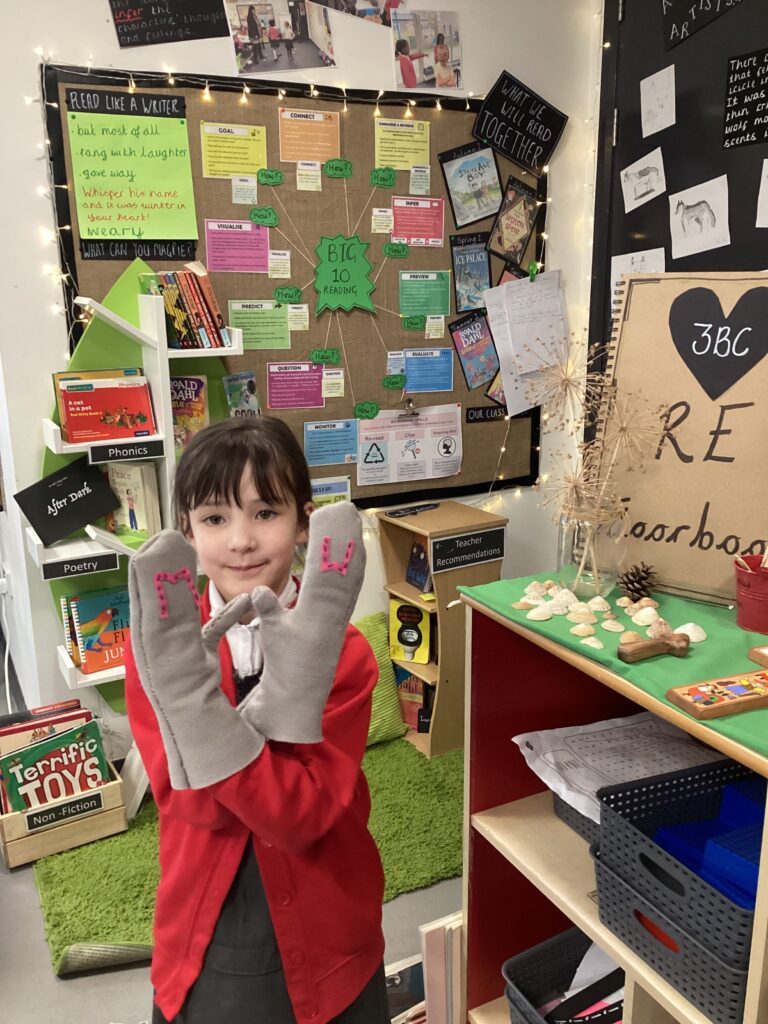
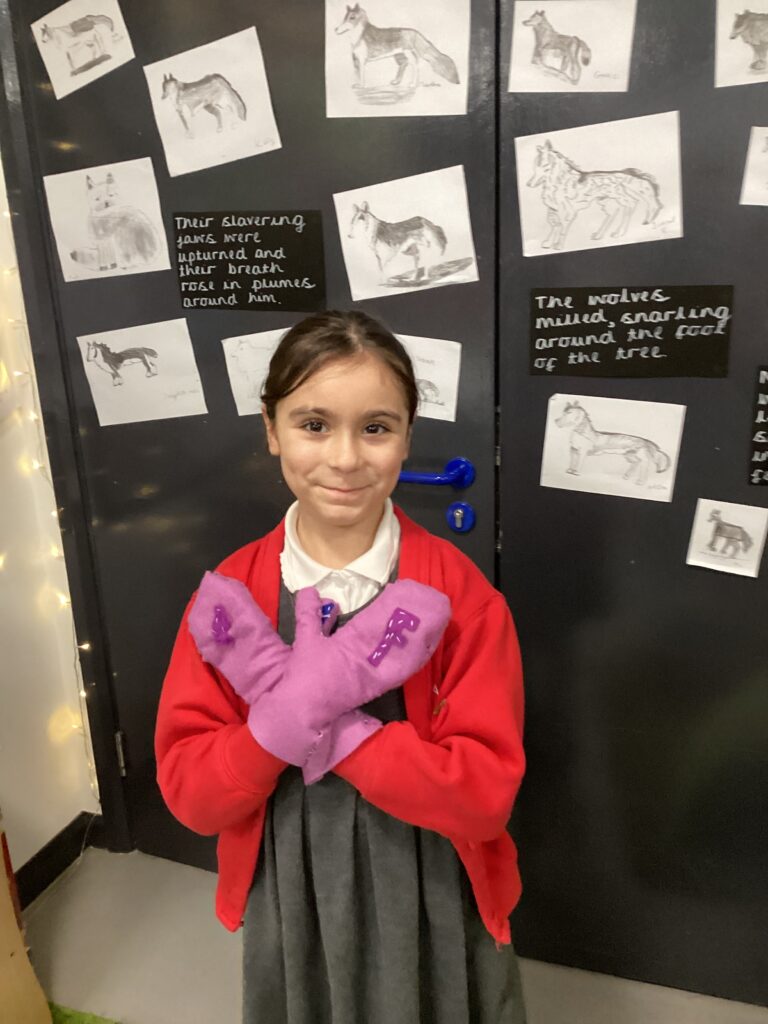
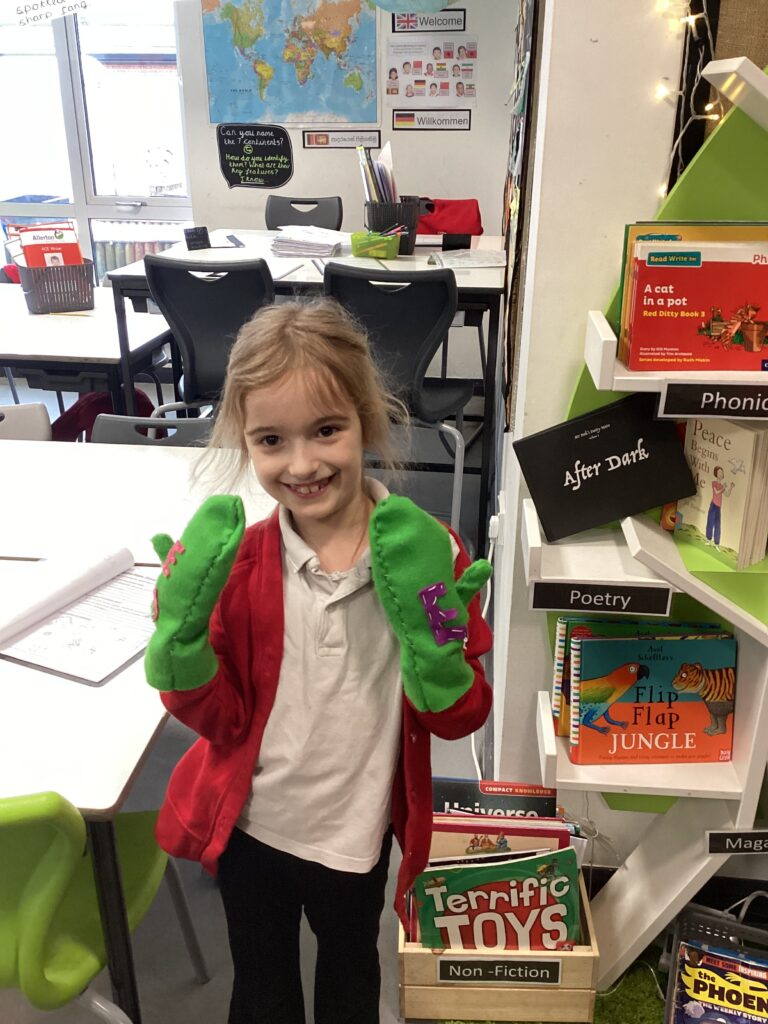
Year 3 designers have created some stunning pairs of mittens. After considering a range of of mitten designs and their features, the children planned their own. Resilience was needed to attach the two pieces of felt together, using running stitch. Creative, personalised details were also sewn on with care. Threading the needle presented a challenge but the children rose to it!

Creating moon buggies in Years 1/2 and 2

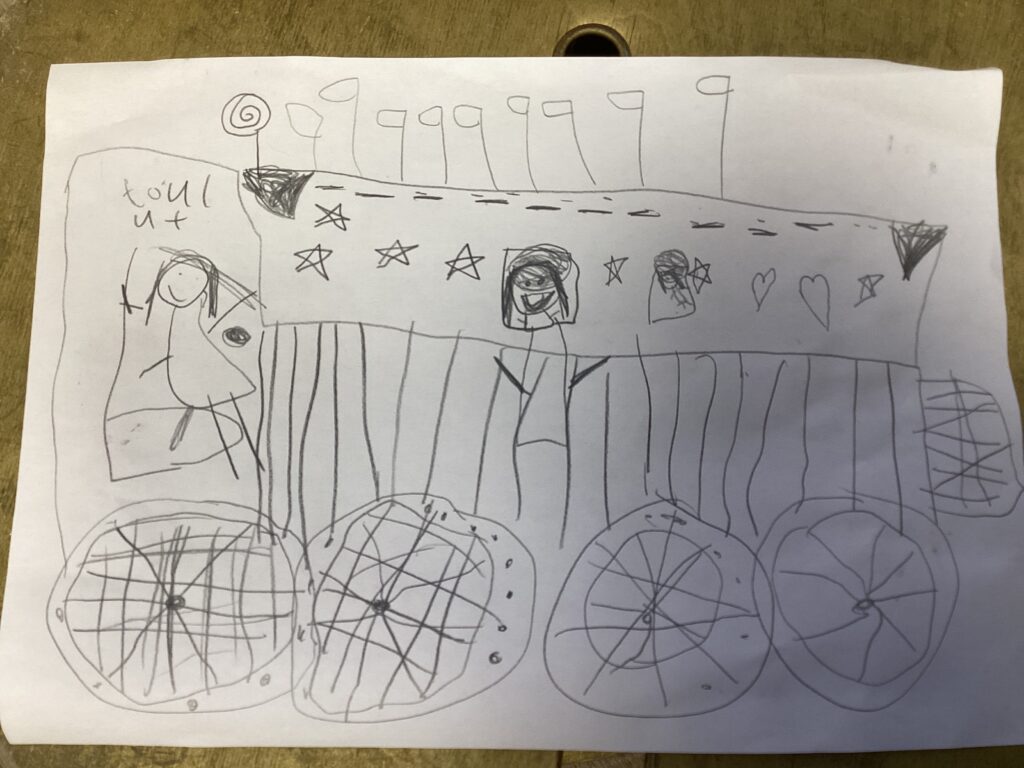
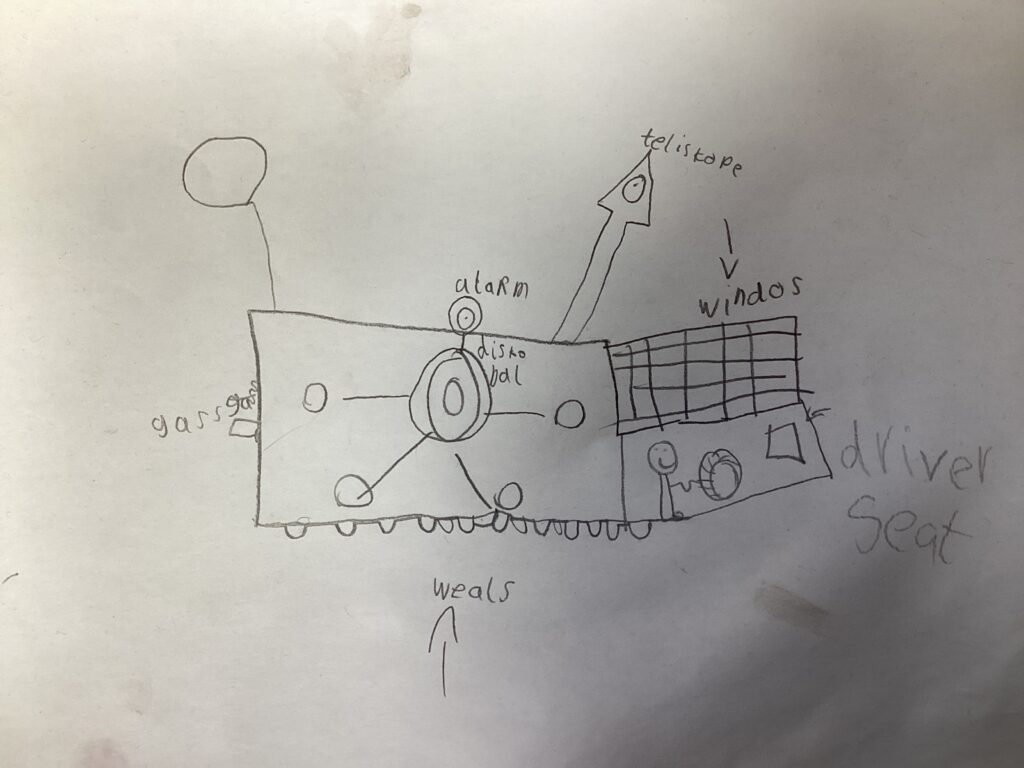
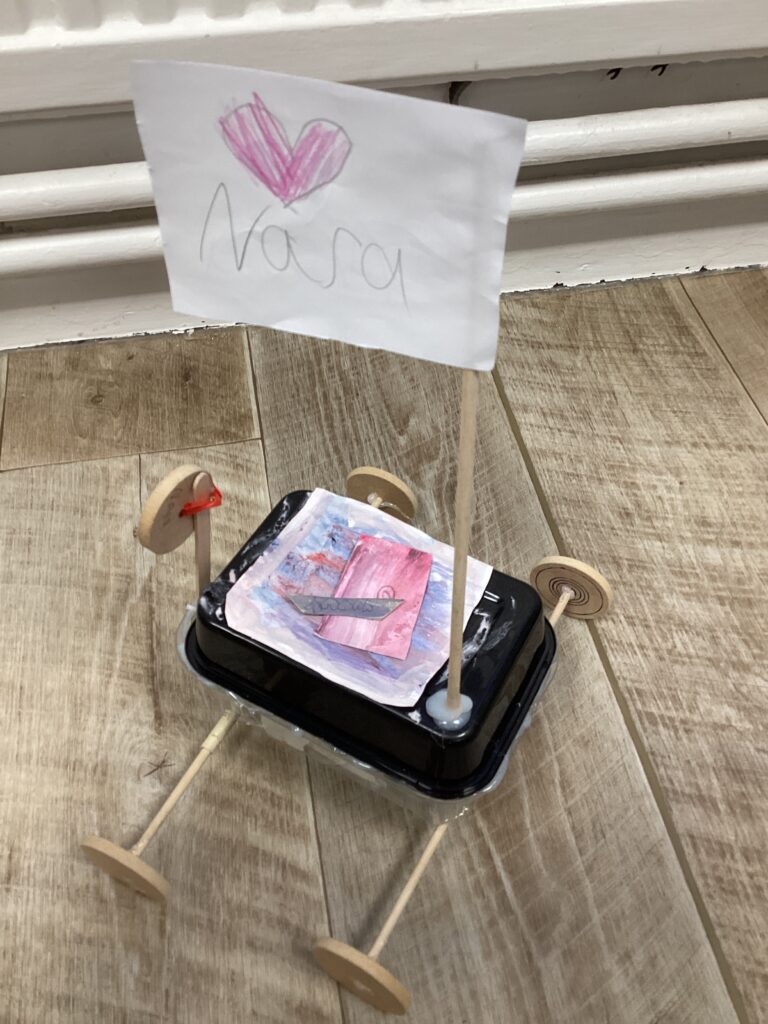
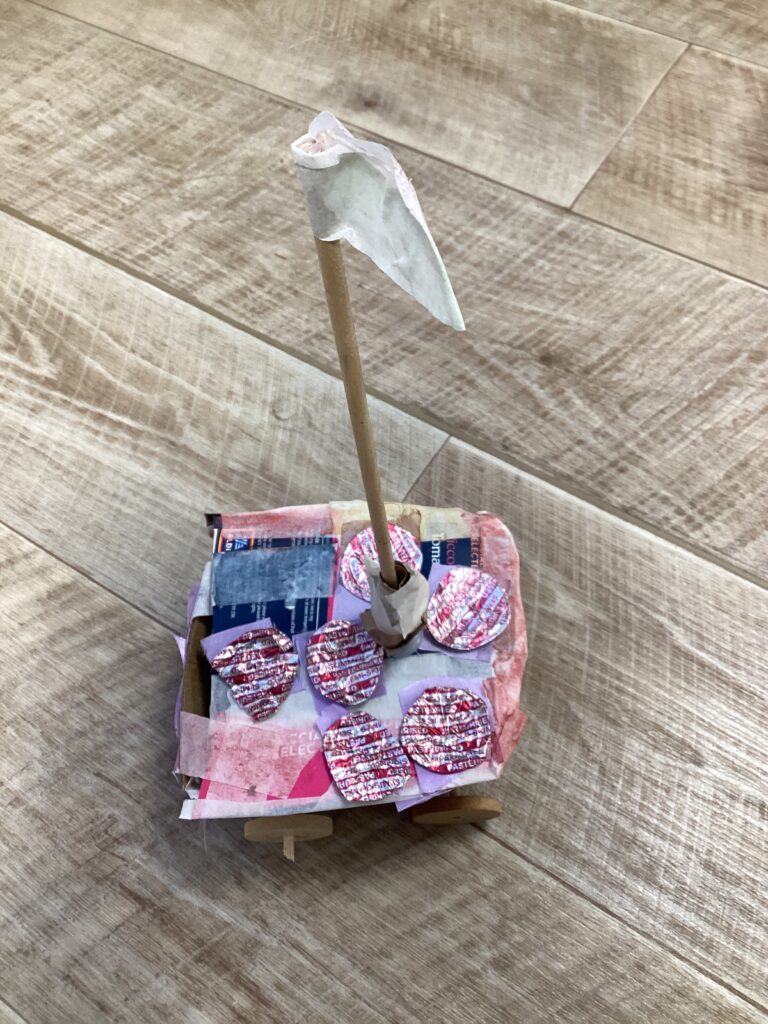
1/2B, 2CN and 2H learnt about moon buggies as part of their topic lessons on The Lunar Landing. They considered how the buggies are designed to move around on the moon. They planned and built buggies: measuring, sawing and using glue guns to join pieces of wood and foil.

Beatrice recalled, “We drawed a design on a piece of paper and copied it to make it properly.” She explained that a space buggy would be used by “space people” and they had to use “wooden circle wheels and plastic axels”. Beatrice felt confident using the saw as her next-door neighbour had taught her to use one (when they made a wreath). She added, “When we finished the buggy, we decorated it with shiny tinfoil and stuff”.

Leon understood that the axels are instrumental in making the wheels move round. He also explained the safety implications of using the glue gun: “You just need to make sure you don’t touch the front.” He also recalled making the bridge last term, which he preferred “because it’s actually a lot more work”. I asked him if the skills he learned making the bridge helped with his moon buggy. He said that using the saw and glue gun were easier because he had “done it before”.

Laser eyes

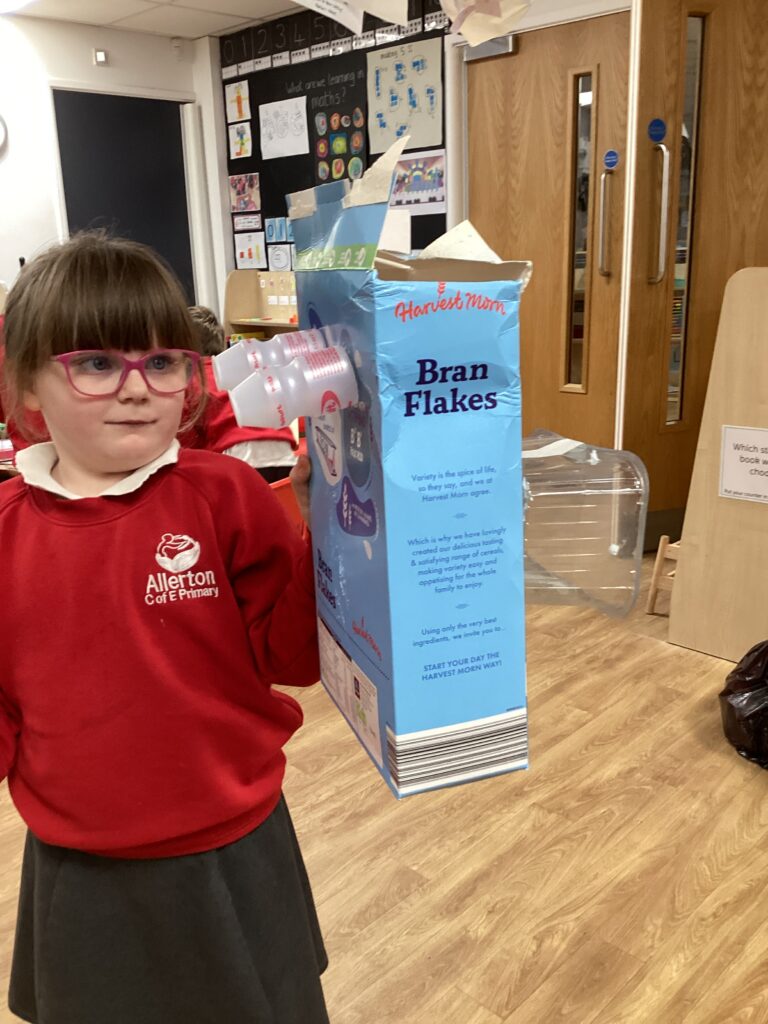
Evie explained her model to me, “It’s based on Lorax. These are laser eyes so he can find seeds. They go in the backpack. He speaks for the tress. It’s only on Netflix”. When the glue did not hold the backpack in place, Evie revised her model by choosing masking tape.

A playhouse for Richard Burton, the dog

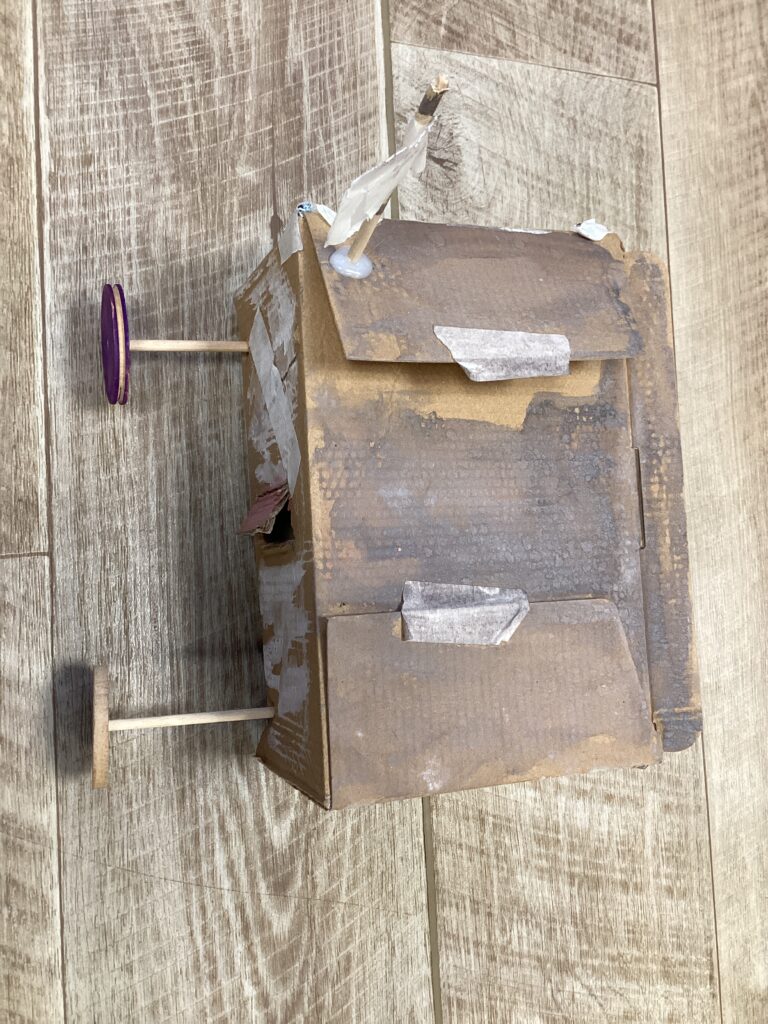
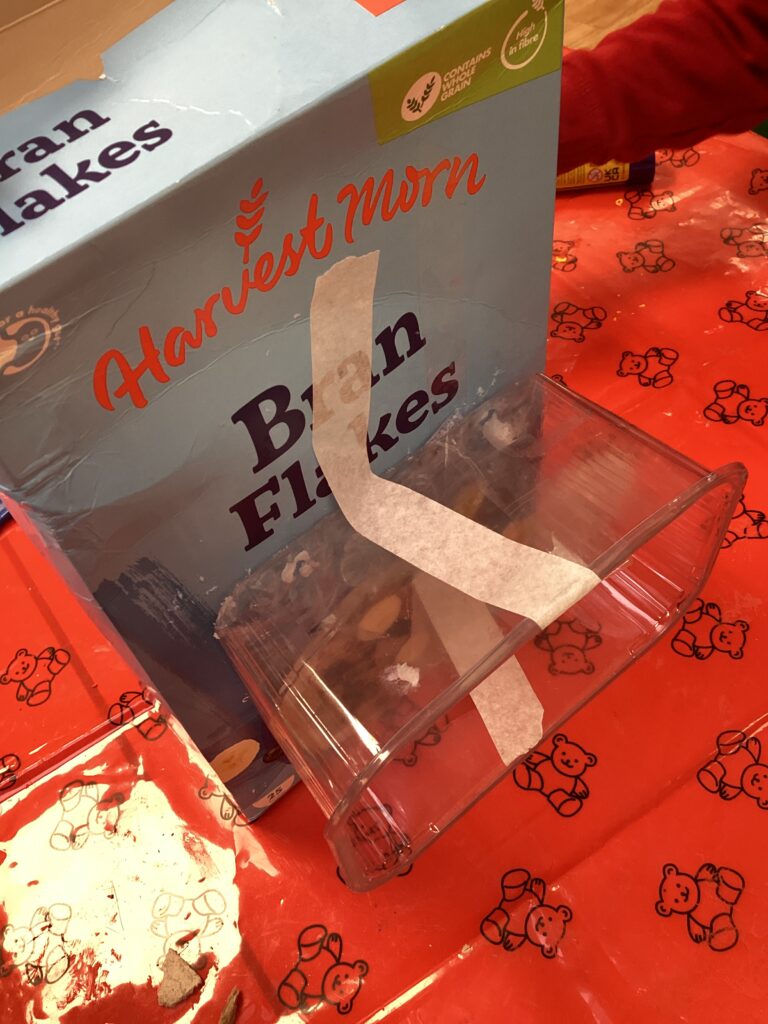
Theo, Lucas and Arjun worked collaboratively to create this super playhouse using a range of materials and tools.

Theo explained that the white paper was, “Richard’s ball. Him loves balls. Him beer. Him frisbee. Him skipping rope…actually no, him twirly thing. Him computer”. What a lot of creative ideas to keep Richard entertained!

What are the bottles? Arjun: “Extra beers”.

A snack bag

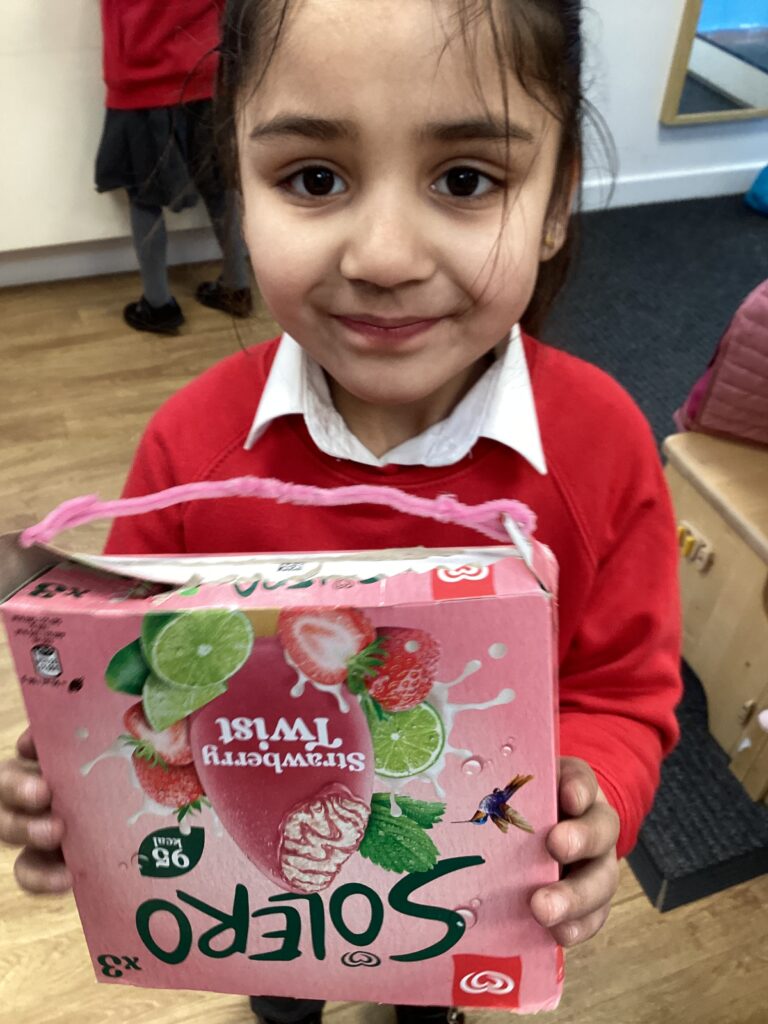
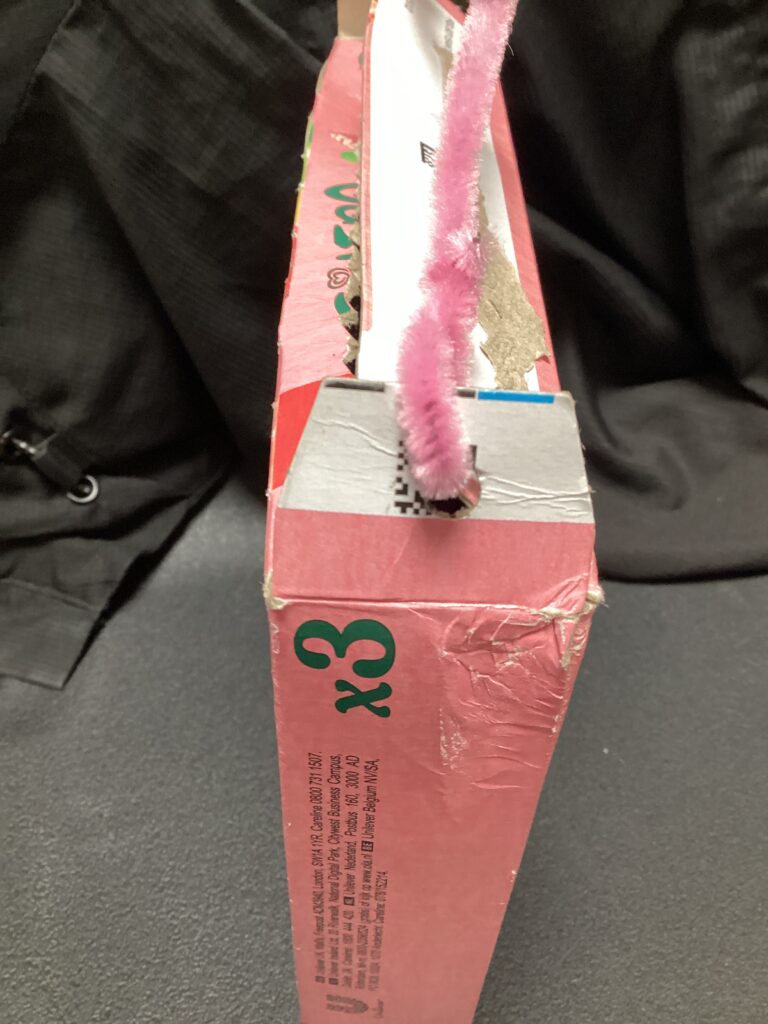
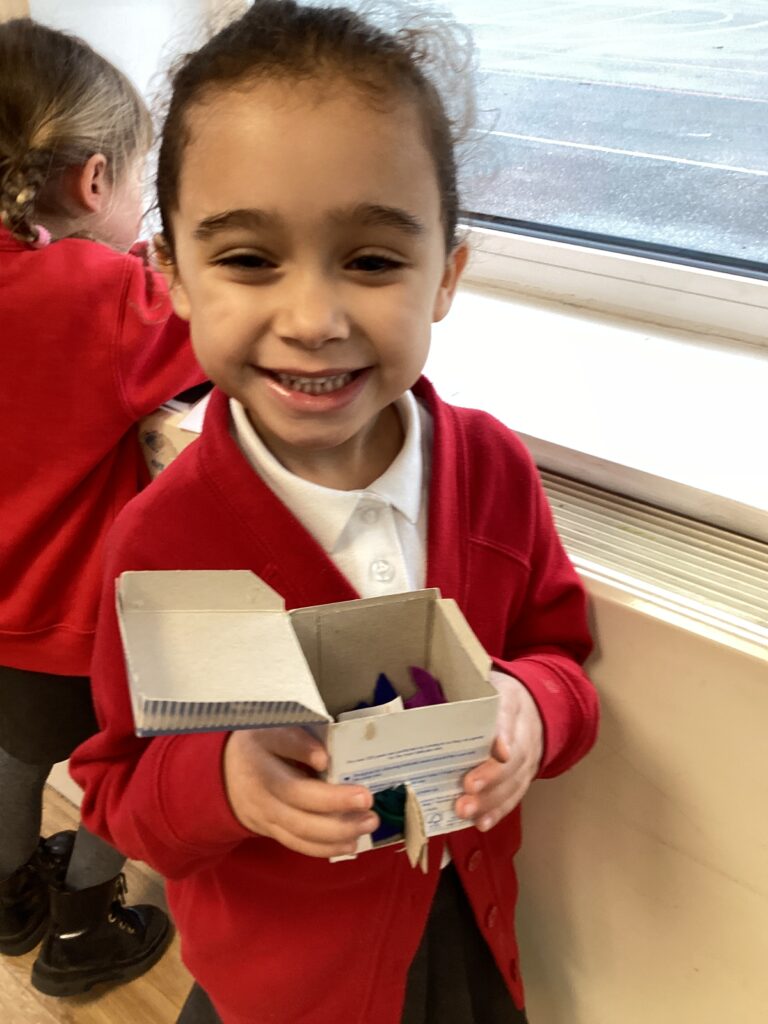
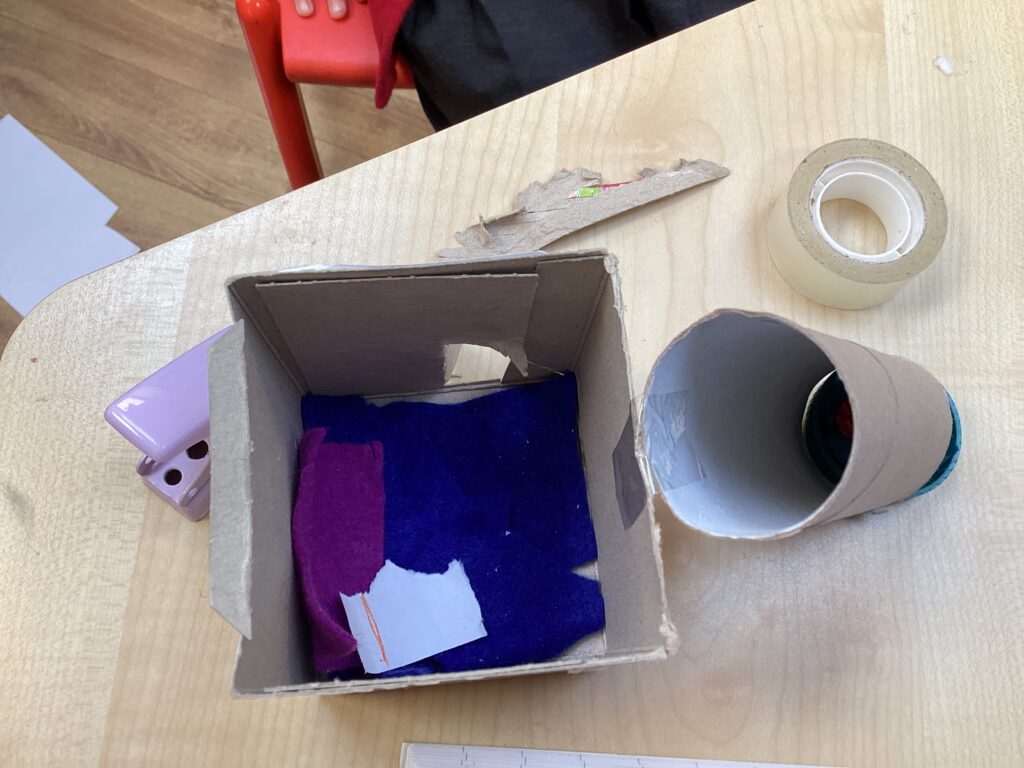
Jaskirat made a “snack bag”. She punched appropriately positioned holes in the box so that she could thread through pipe cleaners, which she had twisted together. What’s inside the bag? “A lipstick and chocolates”.

A house for Lulu the hamster

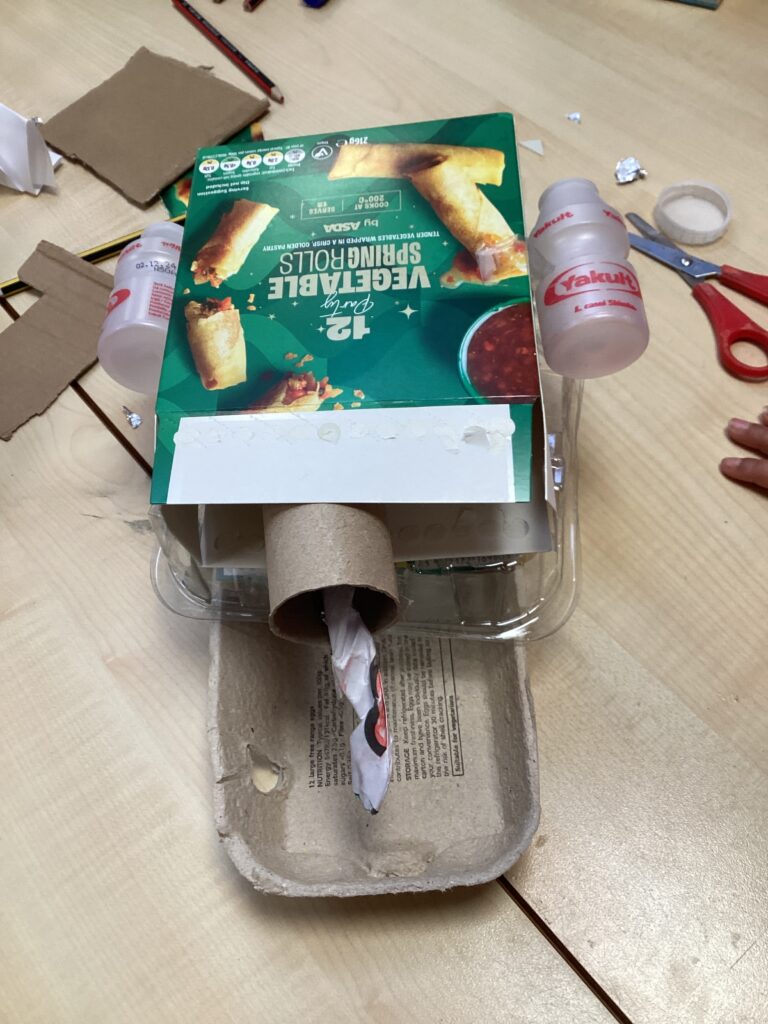
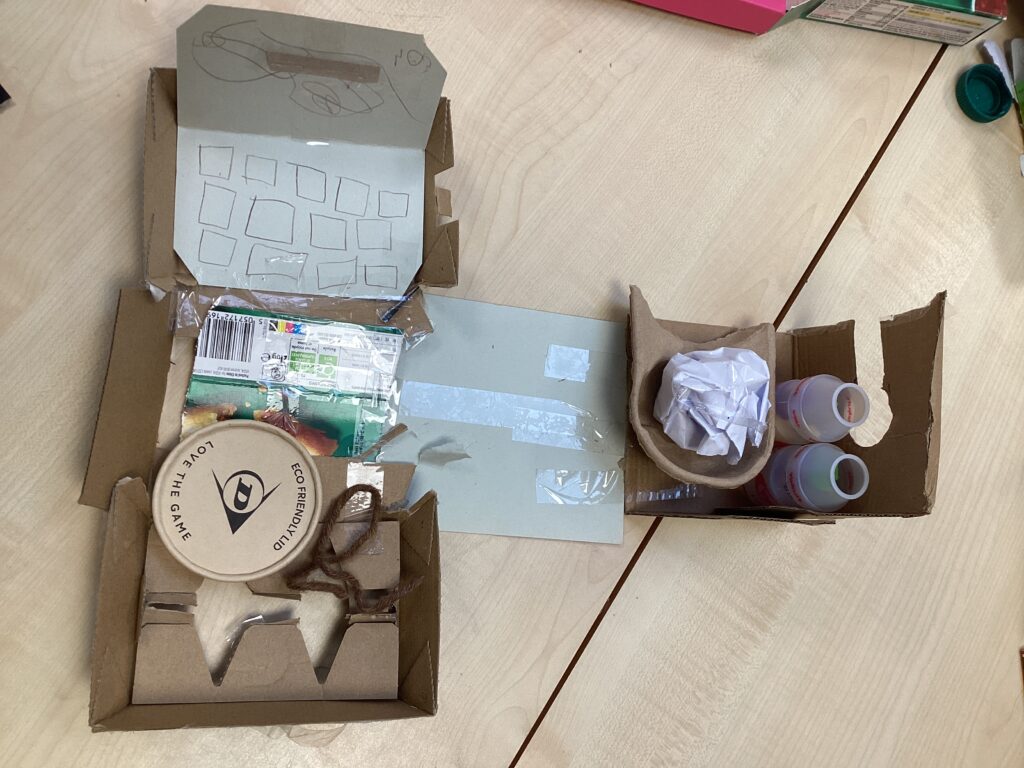
Areya approached me in the DT workshop because she was finding it hard to cut through the thick card to make a door for her “hamster house”. We decided that the scissors were not sharp enough so used the adult scissors under supervision. Can you spot the foil hamster, which Areya chose as she “could make the body shape from the foil”? She had chosen a bottle lid to create “pool”. A label was made for the house so that other hamsters could find Lulu. Areya enhanced her model by adding a cardboard tube “slide” so that Lulu could splash into the pool.


6H – Kidovation Champions

Last week in school, 6H completed the Accenture design challenge ‘Kidovation’. The children created their own personas in order to solve the big problem that was posed to them: ‘How might we encourage children to live healthier lifestyles?’

They created their solution prototypes to appeal to their persona in line with this. The children went through the process of completing a persona, ideation, prototyping and then pitching their ideas.

One of the teams won one of the four judging categories for the Accenture National Kidovation Award. This was an amazing acheivement, especially considering more than 115 schools were taking part.

The children who were in the winning team winning the Picasso Prize for overall appearance and external design were:
Layal

Aaliyah

Melissa

Darya

The winning design
The team pitching their design to the class.

Here are some photos of 6H designing and making their prototypes:

Feed the birds

Year 1 learnt about the diet of different animals in their Science lesson, categorising them as herbivores, carnivores and omnivores. They then focused on some of the wildlife closest to home – garden birds. They learnt about some of the food that birds eat and followed a recipe with support to create bird seed balls for the outdoor area. First they carefully chopped sultanas, before adding them to a mixture of different seeds.

Next they grated cheese and stirred it in.

Finally they mixed in melted coconut oil, before spooning the mixture into different cookie cutters to shape them. Once the mixture had cooled and set, they were hung outside in the outdoor area for the birds to eat.